

Youth Mental Health First Aid
Mental Health First Aid Australia
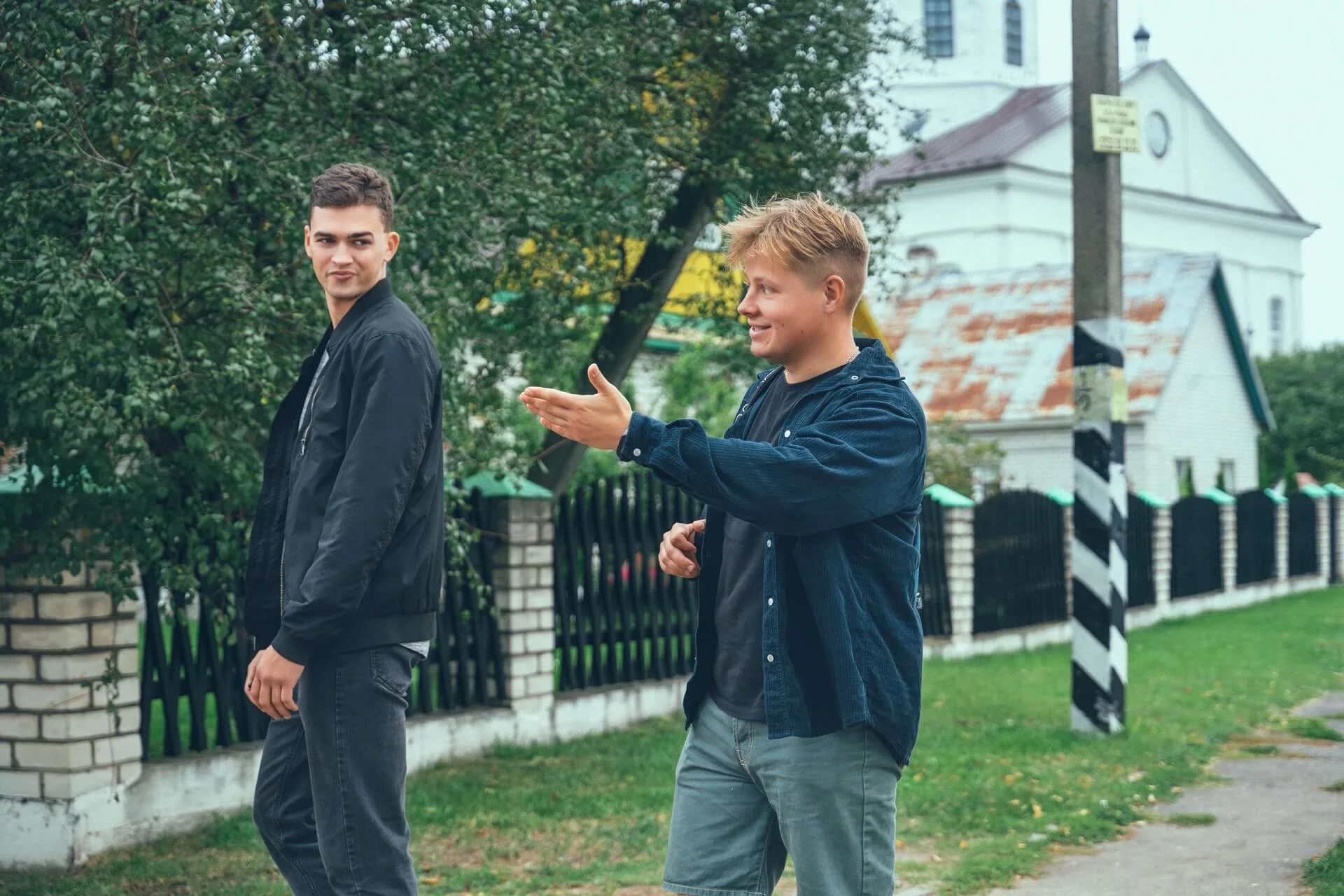
Training in Youth Mental Health First Aid is centered on the reality that many young people between the ages of 12 and 18 are navigating complex challenges, often quietly and often without the language to express what they are experiencing. This program focuses on walking alongside those journeying through mental ill-health with compassion, confidence, and clarity. The training is grounded in lived-experience insights and the trauma-aware understanding that mental health challenges rarely occur in isolation—they affect families, schools, peer groups, and communities.
Our learning environment emphasises grace, hope, and presence. Participants are encouraged not to feel frightened, defensive, or overwhelmed but instead to approach young people with openness and steady support. One of the most important aspects of supporting adolescents is learning to put aside our own discomfort so that we can focus fully on their needs in moments of distress. Throughout the course, we practise being calm, attentive, and grounded—skills that help adults remain steady even when situations feel unpredictable or emotionally charged.
A Trauma-Aware, Compassion-Centred Approach
This training is deeply informed by lived experience and trauma-aware principles. Each session explores what it means to walk with young people who may be experiencing mental ill health while maintaining respect, boundaries, and hope. Key components include:
Designed for those assisting young people aged 12–18 – using developmentally appropriate, evidence-based strategies.
Being gracious and hopeful, not frightened or defensive – demonstrating steadiness and genuine care.
Putting aside our discomfort – focusing on the young person’s needs rather than our own reactions.
Knowing where to refer people for professional help – understanding pathways to school supports, GPs, psychologists, crisis services, and community networks.
Caring for the carers – recognising vicarious trauma, fatigue, and the emotional load carried by adults who support young people.
Being present – offering non-judgmental, grounded human connection.
The importance of self-care – sustaining your own wellbeing so you can continue supporting others.

Evidence-Based, Structured, and Practical
“As a leader, the course not only gave me extra tools and resources to identify children at risk or in the midst of mental health troubles but also to help them in their time of need. All of the statistics and explanations of different mental health issues gave me the confidence to approach these children with solid information when sometimes their own thoughts might be telling them otherwise.” Jayne Russell
Courses are offered for schools, Scout groups, and other community organisations. Each program focuses on helpful, structured responses that are both practical and grounded in peerreviewed data and lived experience. Participants leave with clarity, confidence, and a deeper understanding of how to support young people experiencing mental ill-health.
Further specific information about the Youth Mental Health First Aid program can be found on the Mental Health First Aid Australia website.
When and Where Are the Courses?
For Scouts, please refer to the timetable on the Scouts page for dates, locations, and session details. For schools, organisations, or community groups, please send a message to arrange a tailored session at your location.